

Teething Pain Relief Options for Babies and Toddlers
Teething is one of those milestones every parent looks forward to — until the drooling, fussing, and sleepless nights begin. When a baby’s first teeth start pushing through the gums, it can cause soreness and irritability that makes both little ones and parents uncomfortable.
The good news is that teething discomfort is normal and temporary, and there are many safe ways to soothe your child’s gums at home. While it’s natural to want quick relief, not all teething remedies are safe — and some popular products can actually be harmful.
As a Canadian community pharmacist, I often help parents choose gentle, effective options that ease pain without risk. In this guide, I’ll explain:
- How to tell if your baby’s symptoms are truly from teething
- What comfort measures work best
- When pain medicine (like acetaminophen or ibuprofen) is appropriate
- Which products to avoid for safety
💬 Pharmacist’s note:
“Teething can be tough, but it doesn’t have to be distressing. A few simple, safe measures can make a big difference — and most babies feel better quickly once the tooth breaks through.”

🗨️ Friendly Note from Your Pharmacist:
Some of the links below are Amazon affiliate links. If you click them and make a purchase, I earn a small commission (at no extra cost to you). As always — I only recommend products I believe are genuinely useful and safe for everyday health. Thank you for your support!
👶 Recognizing Teething Symptoms
Teething is a normal part of development that typically begins around 6 months of age, though it can vary for each child. The first teeth to appear are usually the lower front teeth, followed by the top front teeth a few months later.
You may notice your baby:
- Drooling more than usual 💧
- Chewing on fingers or toys 🧸
- Having mild gum swelling or redness
- Being fussier or having disrupted sleep 😴
These are all normal signs of teething and usually don’t require medical treatment.
A slight rise in temperature is also common, but a high fever, diarrhea, or rash are not caused by teething — if these symptoms appear, it’s best to check with your doctor or pharmacist to rule out other causes.
💬 Pharmacist’s note:
“Teething can make babies uncomfortable, but it doesn’t usually cause illness. If your child has a high fever, rash, or persistent crying, something else might be going on.”
🪥 Safe Comfort Measures
When it comes to teething, simple comfort strategies are usually the most effective — and safest — ways to help your baby feel better. You don’t need special gels, tablets, or herbal products.
Here are tried-and-true methods recommended by pharmacists and pediatric experts:
✅ 1. Cold Teething Rings or Washcloths
- Chill a solid (not liquid-filled) teething ring in the fridge.
- Alternatively, use a clean, damp washcloth that’s been cooled for 10–15 minutes.
- Let your baby chew or gum on it for gentle relief.
Teething rings provide gentle pressure and cooling to sore gums, which helps reduce inflammation and discomfort during teething. Choose solid (non-liquid-filled) rings and chill them in the fridge — not the freezer — for safe, soothing relief babies can chew on independently.
👉 Dr. Brown’s 100% Silicone Beaded Teether Rings
💡 Avoid freezing — extreme cold can hurt delicate gums.
🤲 2. Gentle Gum Massage
- Wash your hands, then gently rub your baby’s gums with a clean finger for a minute or two.
- The pressure helps relieve soreness and distracts from discomfort.
🧸 3. Distraction and Comfort
- Extra cuddles, playtime, or gentle rocking can help soothe irritability.
- Sometimes a favorite toy or book is enough to take their mind off the discomfort.
💧 4. Keep the Chin Dry
- Frequent drooling can cause skin irritation or a mild rash around the mouth or chin.
- Wipe gently and use a thin layer of petroleum jelly or barrier cream to protect the skin.
💬 Pharmacist’s tip:
“Cold pressure on the gums is the safest and most effective way to ease teething discomfort — and it works almost instantly.”

💊 When Medicine May Help
Most of the time, teething discomfort can be managed with gentle comfort measures. However, if your baby or toddler seems very uncomfortable — especially during bedtime — a pain reliever may help ease soreness so they can rest.
Pharmacists typically recommend acetaminophen or ibuprofen, depending on your child’s age and weight.
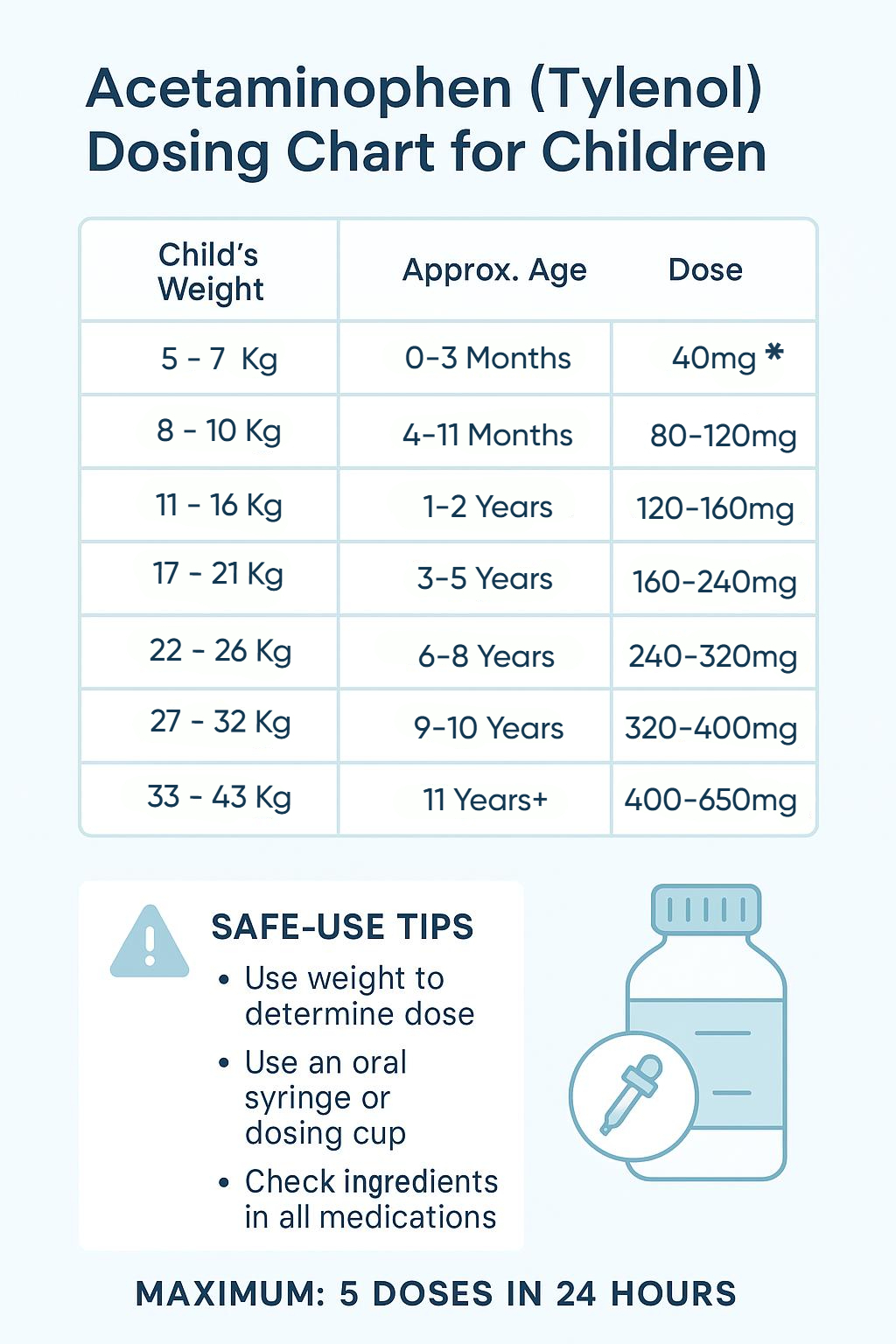
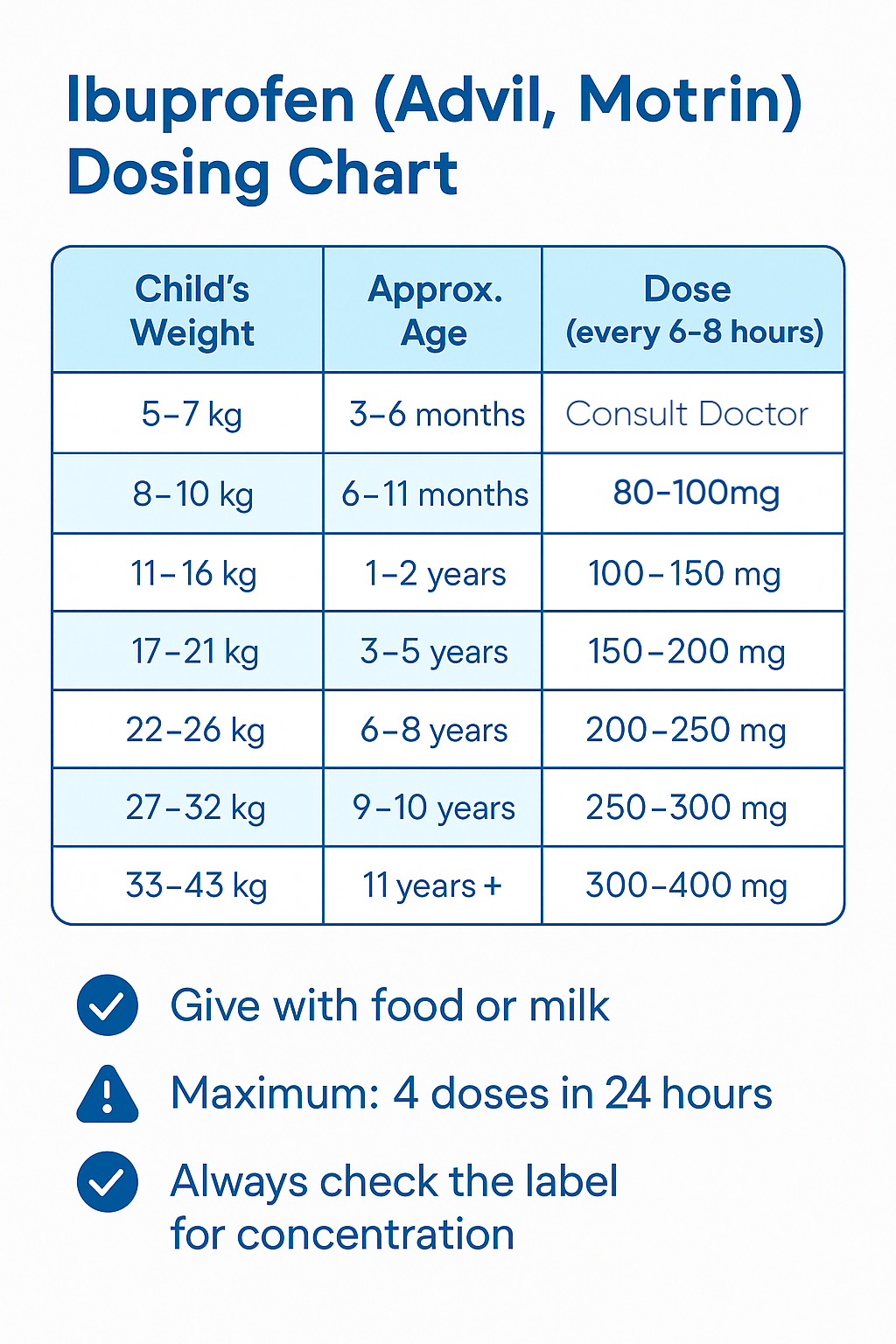
| Age Group | Options | Notes |
|---|---|---|
| Under 6 months | Acetaminophen (Tylenol®) | Use infant drops and confirm the dose by weight. Ibuprofen is not recommended under 6 months. |
| 6+ months | Acetaminophen or Ibuprofen (Tylenol® or Advil®/Motrin®) | Give only when needed, following the dosing chart carefully. Ibuprofen may last longer (6–8 hours) and is best taken with food or milk. |
Infant acetaminophen helps reduce pain and discomfort from teething when non-medication methods aren’t enough. It’s gentle on the stomach and safe for babies when dosed correctly by weight using the included syringe. Always double-check the concentration and dosing chart before use.
👉 Tylenol Infant Suspension Drops
Children’s ibuprofen can be helpful for teething pain in babies 6 months and older, especially when inflammation is contributing to discomfort. It lasts longer than acetaminophen (up to 6–8 hours) and should be given with food or milk to reduce stomach upset.
👉 Advil Pediatric Infant Drops
💬 Pharmacist’s advice:
“If your baby needs pain relief, stick to acetaminophen or ibuprofen made specifically for infants or children. Never use adult-strength products or aspirin.”
⚖️ Important Tips
- Always use the measuring device that comes with the product — not a kitchen spoon.
- Double-check concentration and strength (e.g., infant drops vs. children’s liquid).
- Avoid giving multiple products with the same ingredient (for example, two acetaminophen-containing medications).
- Ask your pharmacist to confirm the correct dose by weight before giving any medicine.
🚫 What to Avoid
Not every product marketed for teething pain is safe — and some can be dangerous, especially for infants. Here’s what pharmacists and pediatricians recommend you avoid completely:
❌ 1. Topical Teething Gels (Benzocaine or Lidocaine)
- Products containing benzocaine or lidocaine are not safe for babies or young children.
- They can cause a rare but serious blood condition called methemoglobinemia, which reduces oxygen levels in the body.
💬 Avoid any gels or numbing liquids for the gums — they provide little relief and carry real risks.
⚠️ 2. Homeopathic Teething Tablets
- These are often marketed as “natural,” but have no proven benefit and have been linked to safety concerns in past Health Canada and FDA warnings.
- Inconsistent ingredient amounts make them unpredictable.
⚠️ 3. Amber Teething Necklaces
- These are not recommended due to choking and strangulation risks.
- There is no scientific evidence that amber beads relieve pain or inflammation.
⚠️ 4. Alcohol, Honey, or Herbal Mixtures
- Never use home remedies containing alcohol or honey for infants.
- Honey can cause infant botulism in babies under 1 year old.
💬 Pharmacist’s warning:
“Avoid any product that claims to ‘numb’ or ‘naturally cure’ teething pain. These often do more harm than good — gentle comfort care is safest.”

🏥 When to See a Doctor or Dentist
While teething is a normal part of growing up, sometimes symptoms can overlap with other conditions. It’s important to know when to seek professional advice — especially if your baby’s discomfort seems unusual or prolonged.
Contact your doctor, pharmacist, or pediatric dentist if your child:
- Has a fever above 38°C (100.4°F) that lasts more than a day
- Is refusing to eat or drink, or shows signs of dehydration (fewer wet diapers, dry mouth)
- Has persistent crying that doesn’t improve with comfort measures
- Shows swelling, bleeding, or sores in the mouth
- You notice delayed or irregular tooth eruption (no teeth by 12–15 months)
💬 Pharmacist’s note:
“Most teething discomfort can be managed at home, but if your child seems unusually irritable, unwell, or has other symptoms like fever or swelling, it’s worth getting checked by your doctor or dentist.”
🧾 Summary: Key Takeaways
Teething can be a challenging phase for both babies and parents, but with the right approach, it doesn’t have to be stressful. Most babies experience only mild discomfort, and simple comfort measures are usually all that’s needed.
Here’s what to remember:
- Teething is normal and temporary — most babies get their first tooth around 6 months.
- Safe relief starts with cold teething rings, gum massage, and extra comfort.
- Acetaminophen or ibuprofen can be used for significant discomfort, as long as the product is made for infants and dosed correctly.
- Avoid benzocaine or lidocaine gels, homeopathic tablets, amber necklaces, alcohol, or honey — they are unsafe for babies.
- Always ask your pharmacist or healthcare provider if you’re unsure about a product or symptom.
💬 Pharmacist’s advice:
“Most teething pain can be managed safely at home with comfort and care. If you’re ever uncertain about what’s safe for your baby, your pharmacist is here to help.”

💬 If you found this article helpful, you may also enjoy these pharmacist-approved guides:
👉 Children’s Fever & Pain Medicine Guide: A Pharmacist’s Advice
👉 Can You Alternate Tylenol and Advil for Children?
👉 Children’s Cough & Cold Medicines in Canada: What Parents Should Know
If you have any questions or want me to cover a specific children’s health topic, feel free to reach out through the Contact page.